
Precision Electrical Discharge Machining (Precision EDM)
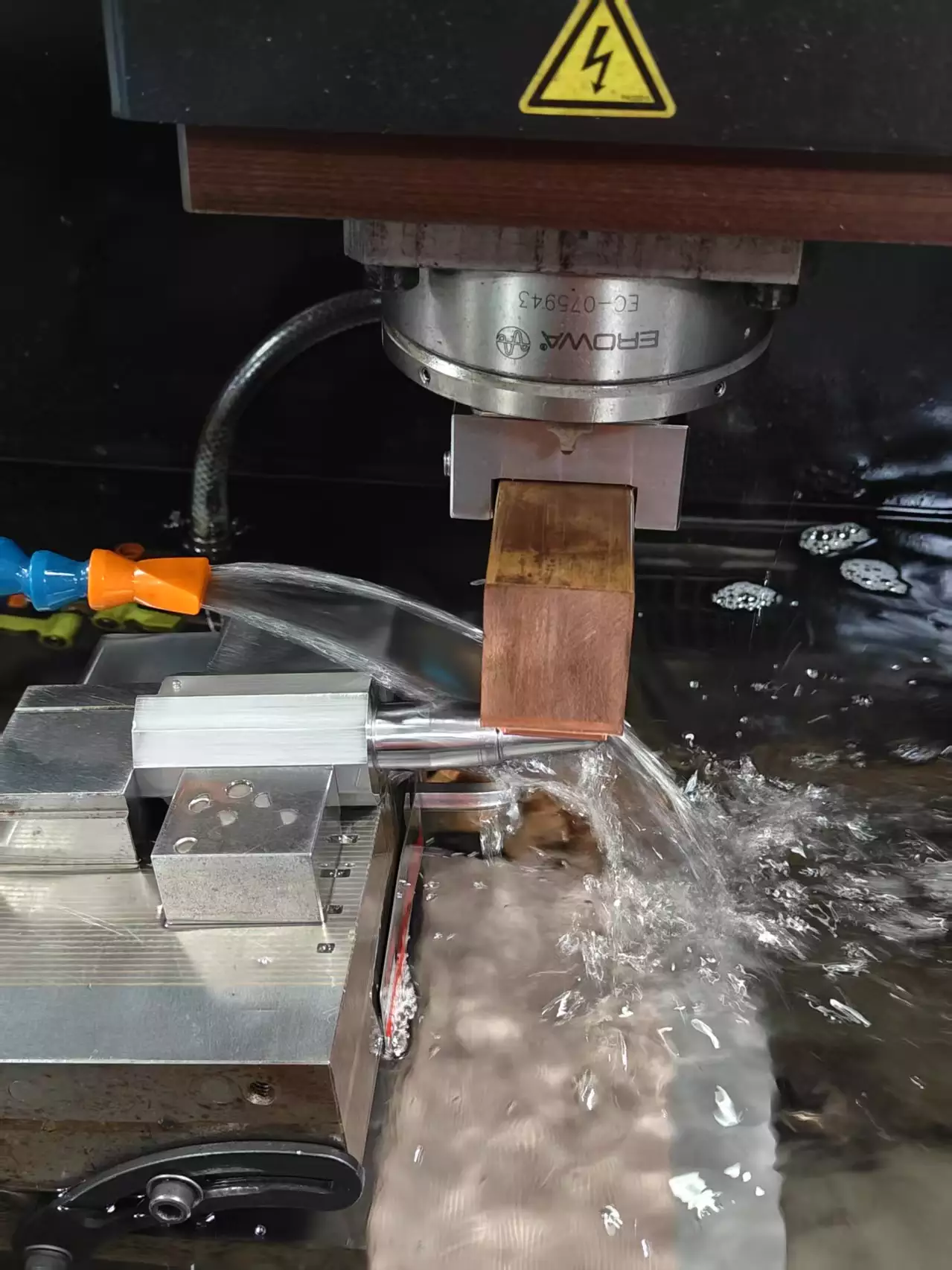
Precision Electrical Discharge Machining (Precision EDM), also known as Electrical Discharge Machining (EDM), is a process in which a pulsed discharge phenomenon occurs between an electrode and the workpiece, generating instantaneous high temperatures (over 10,000°C) in an insulating working fluid. This causes the metal material to locally melt or vaporize. Through the cumulative effect of countless tiny discharges, material from the surface of the workpiece is gradually removed, forming the desired shape. Essentially, precision EDM is a synergistic process of electrical, thermal, mechanical, and material removal.
The advantages of EDM machining.
EDM (Electrical Discharge Machining) is a machining method that uses pulse discharge energy to remove material. Its advantages are primarily reflected in the following aspects:
1.High Precision
The precision can reach
±0.002mm, and the surface roughness is high (Ra < 0.2μm),
making it suitable for precision part processing.
2.Suitable for Hard and Brittle
Materials
EDM is particularly suited for
processing materials with high hardness or brittleness, such
as hardened steel, titanium alloys, metal ceramics, and
carbides. These materials are often difficult to process
with traditional cutting methods, but EDM can handle them
with ease.
3.Complex Shape Machining Capability
EDM
can process very complex cavities, narrow gaps, deep holes,
and fine structures (such as precision patterns for molds or
small holes for turbine blades). It performs excellently in
mold manufacturing, deep hole processing, and fine contours,
making it ideal for processing complex geometries and small
details that conventional machining methods cannot
accomplish.
4.Non-Contact Machining
EDM removes
material through the electrical discharge between the
electrode and the workpiece, so there is no physical cutting
force involved. This makes it particularly suitable for
fragile, deformable, or irregularly shaped workpieces,
avoiding stress or deformation caused by mechanical
processing.
5.High Automation
With the integration of
CNC systems, EDM can be program-controlled, making it
suitable for batch production and complex trajectory
machining while reducing manual intervention.
6.High Surface Quality
EDM can leave a
smooth surface on the workpiece. In particular, pulse EDM
technology can further enhance surface quality. Although
some cases may require post-processing for surface
treatment, compared to other traditional machining methods,
EDM generally provides better surface finish.
7.Suitable for Micro Machining
EDM has
unique advantages in the machining of micro parts. Micro EDM
can precisely process tiny apertures, micro structures, and
fine details, making it suitable for micro components in
fields such as electronics, medical devices, and aerospace.
8.Flexibility
EDM does not rely on
traditional tool wear, but rather the selection of the
electrode to change the shape and size. This allows for easy
adaptation to a wide range of parts and material processing
needs, especially for complex and customized part
manufacturing.
9.Smaller Heat-Affected Zone
Because EDM
uses brief, high-temperature discharges rather than
continuous heating, the discharge time is extremely short
(in microseconds). The heat is concentrated in a localized
area, resulting in minimal overall thermal deformation of
the workpiece, making it suitable for thin-walled, easily
deformable parts.
10.Suitable for Micro and Deep Hole
Machining
EDM is particularly suitable for
micro hole and deep hole machining. Compared to other
methods, EDM can efficiently process hard-to-achieve deep
holes and tiny apertures without clogging or debris
accumulation.
The Secrets of Precision Control in Electrical Discharge Machining (EDM)
Precision Electrical Discharge Machining (EDM) achieves high precision through a combination of several critical factors. These factors work together to control and refine the process, ensuring exceptional accuracy. Below are the key “secrets” to precision control in EDM:
1. Precise Control of Current and
Pulse Width
In EDM, the
intensity of the current and pulse width
directly affect material removal rate and
precision. Smaller pulse widths allow for
finer material removal, which enhances
machining accuracy.
The control of current helps prevent excessive discharge energy, thus reducing surface roughness and electrode wear.
2. Role of Dielectric
Fluid
EDM is performed in an
insulating dielectric fluid that not only
cools the discharge area but also removes
debris and gas bubbles generated during
machining. This helps prevent interference
with machining precision.
The temperature, flow rate, and cleanliness of the dielectric fluid must be kept constant to maintain consistent machining accuracy and surface quality.
3. Selection of Electrode Shape and
Material
The material and
shape of the electrode are crucial for
machining precision. Common electrode
materials include copper, graphite, and
copper alloys. The surface finish of the
electrode also directly impacts the final
result.
The shape of the electrode should match the workpiece shape to ensure that the final part is formed to the exact specifications.
4. Servo Control
System
Precision EDM
utilizes high-precision servo control
systems to dynamically adjust the gap
between the electrode and workpiece during
machining. This is essential for maintaining
precision.
The servo system can automatically adjust the electrode position to compensate for electrode wear, ensuring machining accuracy throughout the process.
5. Temperature
Control
High temperatures
generated during EDM, particularly the
instantaneous heat during discharge, can
cause dimensional and surface changes in the
workpiece. Precise temperature control
systems help prevent thermal deformation of
the workpiece.
Using appropriate cooling systems, such as liquid and gas cooling, minimizes temperature fluctuations and ensures high-precision machining.
6. Precise Planning of Machining
Path
Careful planning of the
machining path is crucial in precision EDM.
By calculating and planning the discharge
sequence and step sizes, it prevents
over-machining of localized areas or uneven
material removal, thus improving overall
accuracy.
7. High-Precision
Equipment
Precision EDM
requires machines with extremely high
precision. Modern EDM machines are equipped
with advanced positioning systems and
automated control technologies that ensure
precise control over electrode movement and
the discharge process during machining.
8. Real-Time Monitoring and Feedback
Control Systems
Advanced EDM
machines are equipped with real-time
monitoring systems that collect data from
the machining process, such as current,
voltage, and gap changes. This data is used
to adjust the machining process to ensure
the workpiece remains in an accurate
machining state.
Feedback control systems automatically adjust the machining parameters based on real-time data, further improving precision.
9. Experience and Process
Optimization
Precision
control in EDM also relies heavily on the
experience of the operator. Through multiple
trials and parameter optimization, the
operator can adjust the process to achieve
the best precision for a specific workpiece.
Continuous experience accumulation and data analysis allow for process improvements, enhancing machining stability and precision.
Conclusion:
Precision
control in Electrical Discharge Machining is
a multi-faceted process, involving the
regulation of current and pulse width,
control of dielectric fluid, electrode
selection and wear compensation, servo
systems, temperature control, and machining
path planning. Through these precise control
methods, EDM can deliver exceptional
performance in high-precision manufacturing,
especially for complex parts, fine holes,
and deep cavities.
Types of Spark Discharge Machining (EDM)
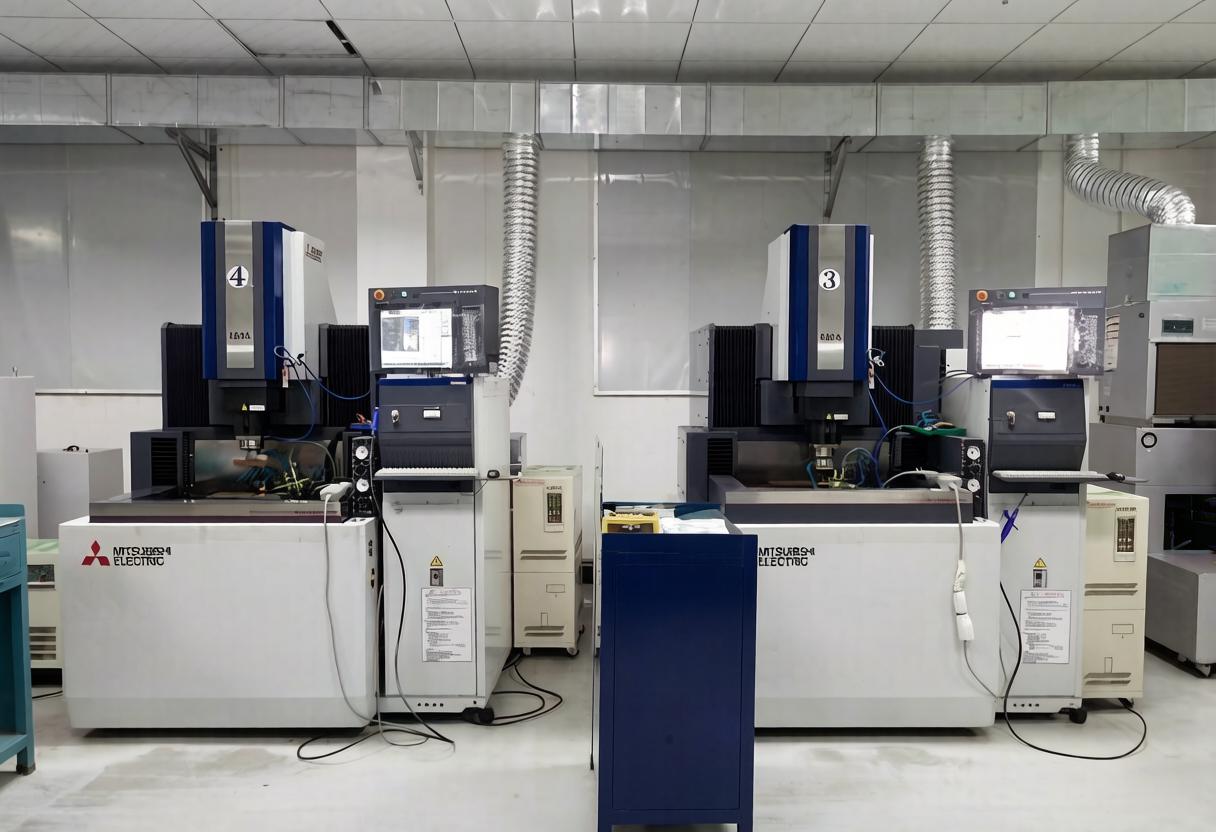
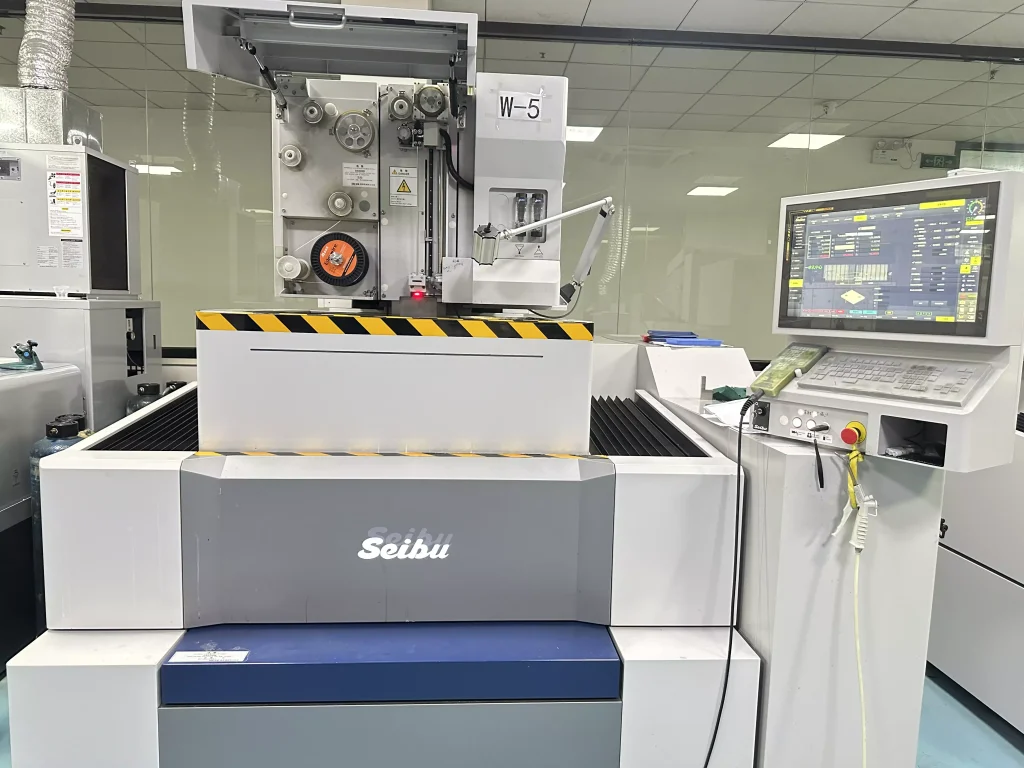
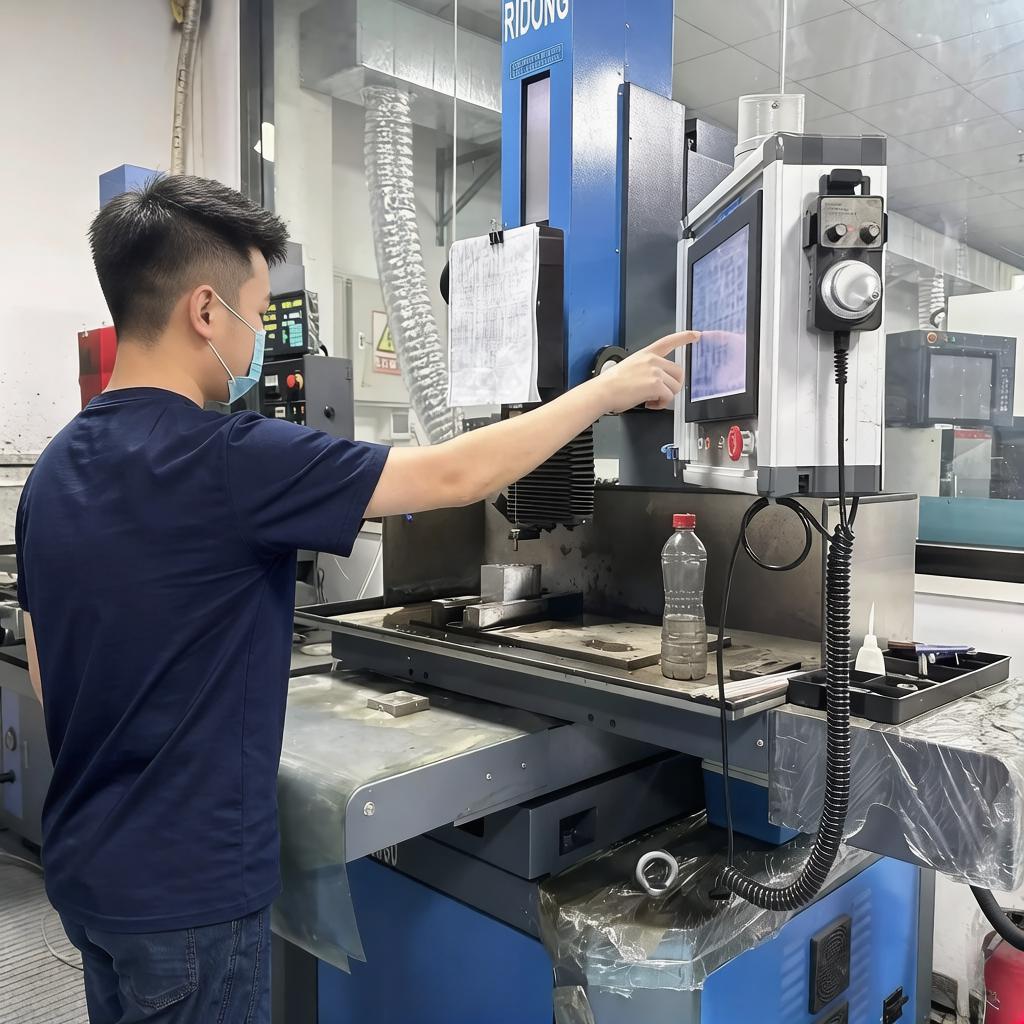
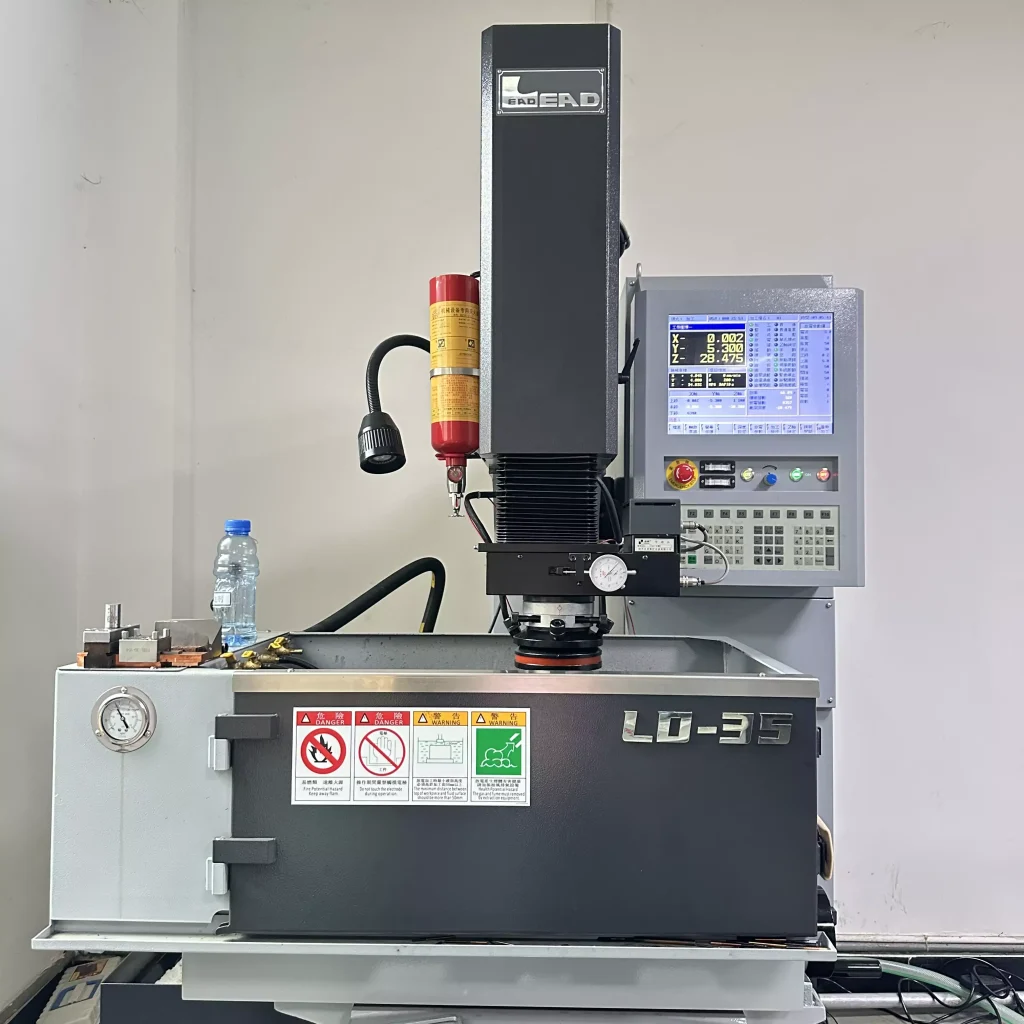
1.EDM Forming
2.Sinker EDM (Ram EDM)
3.Wire EDM
4.EDM Drilling
5.Micro EDM
6.Pulsed EDM
7.High-speed EDM
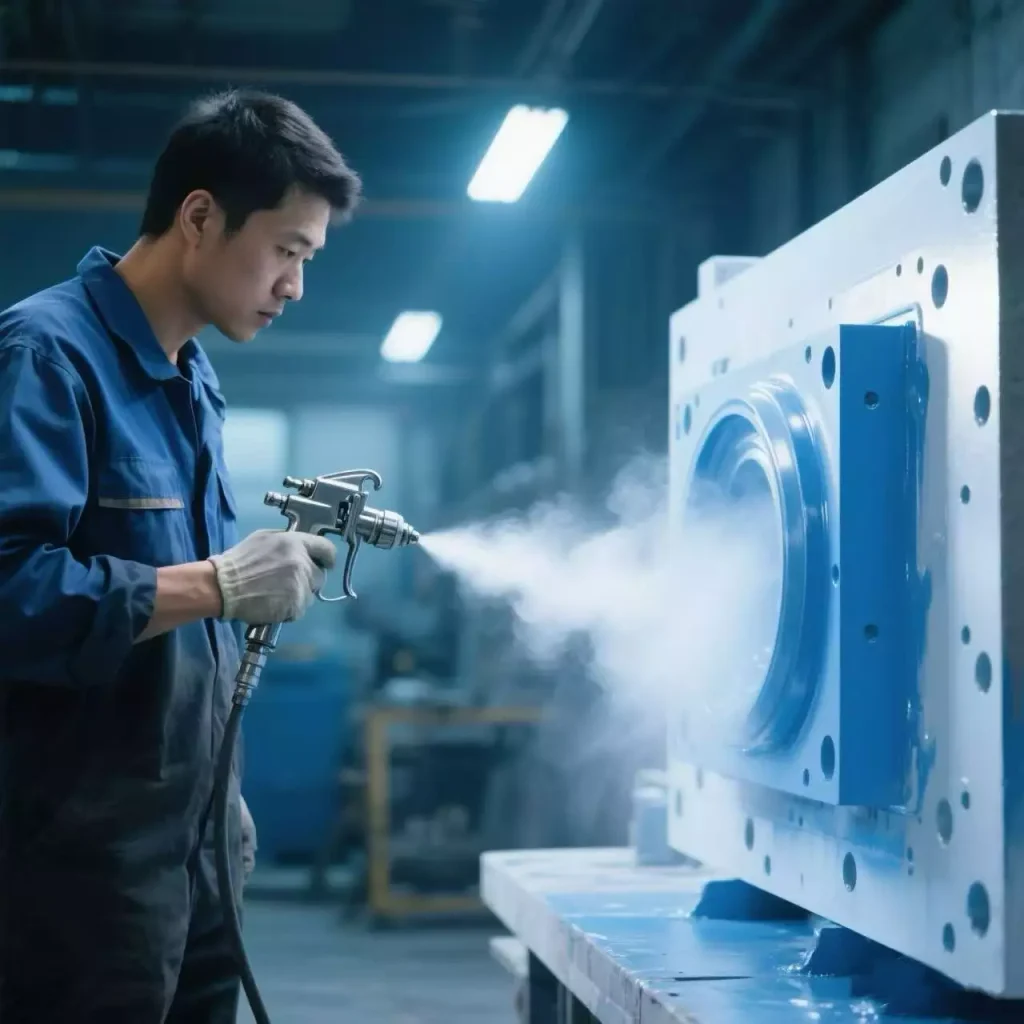
Application areas of parts processed by EDM.
EDM (Electrical Discharge Machining), with its non-contact, high-precision, and ability to machine hard and brittle materials, plays a critical role in various high-end manufacturing sectors. Below are its core application areas and typical scenarios:
1.Mold Manufacturing:
Applications
include injection molding molds, die-casting molds, stamping
molds, mold cores, mold cavities, and complex cooling
channels.
2.Aerospace:
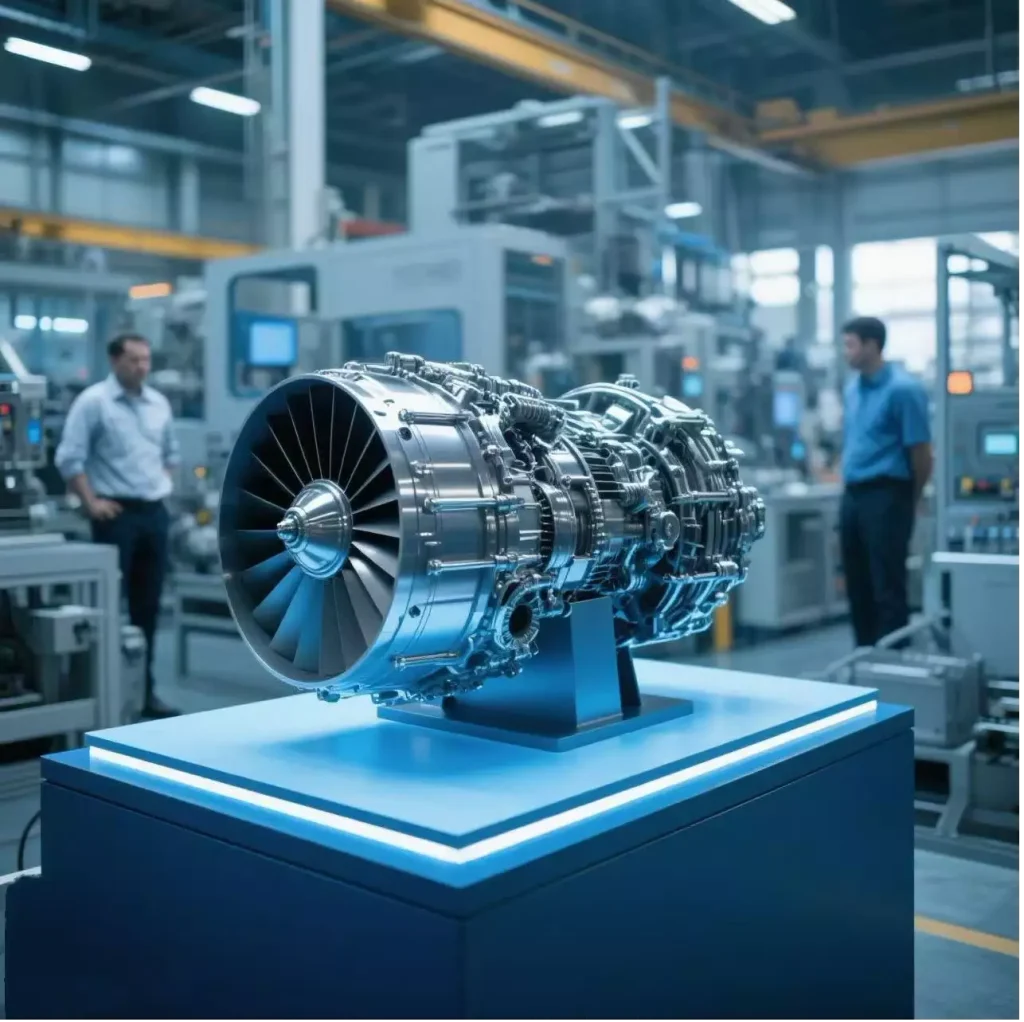
Applications include engine
parts, spacecraft structural components, ceramic matrix
composites (CMC), tungsten alloy nozzle parts.
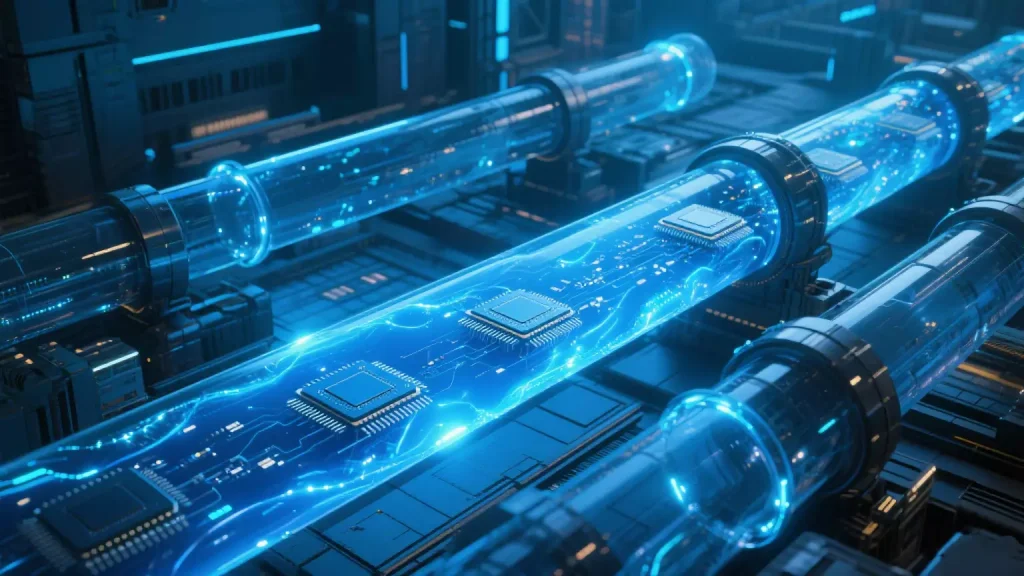
3.Electronics and Semiconductor
Manufacturing:
Applications include
semiconductor packaging molds, micro connectors, precision
switches, and precision processing of electronic components.
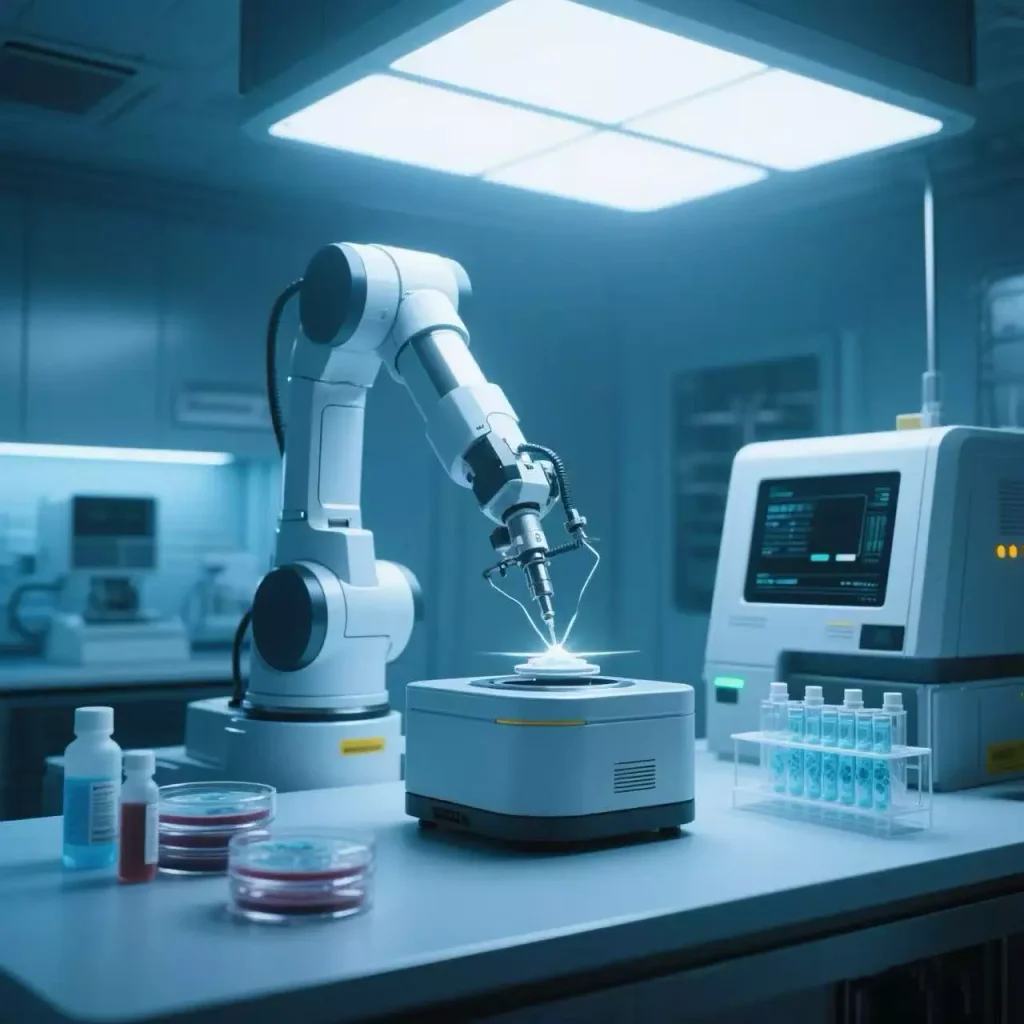
4.Medical Devices and
Biomanufacturing:
Applications include
implantable devices, medical mold tools, surgical
instruments, dental equipment, implants, precision needles,
micro components, etc.
5.Automotive and New Energy
Sectors:
Applications include automotive
components, lithium battery electrode molds, hydrogen fuel
cell plates.
6.Optics and Precision
Instruments:
Applications include lens
molds, sensor housings, gyroscope frames, and prism
processing.
7.Other High-end Manufacturing
Sectors:
Applications include jewelry, tool
manufacturing.
8.Special Parts
Manufacturing:
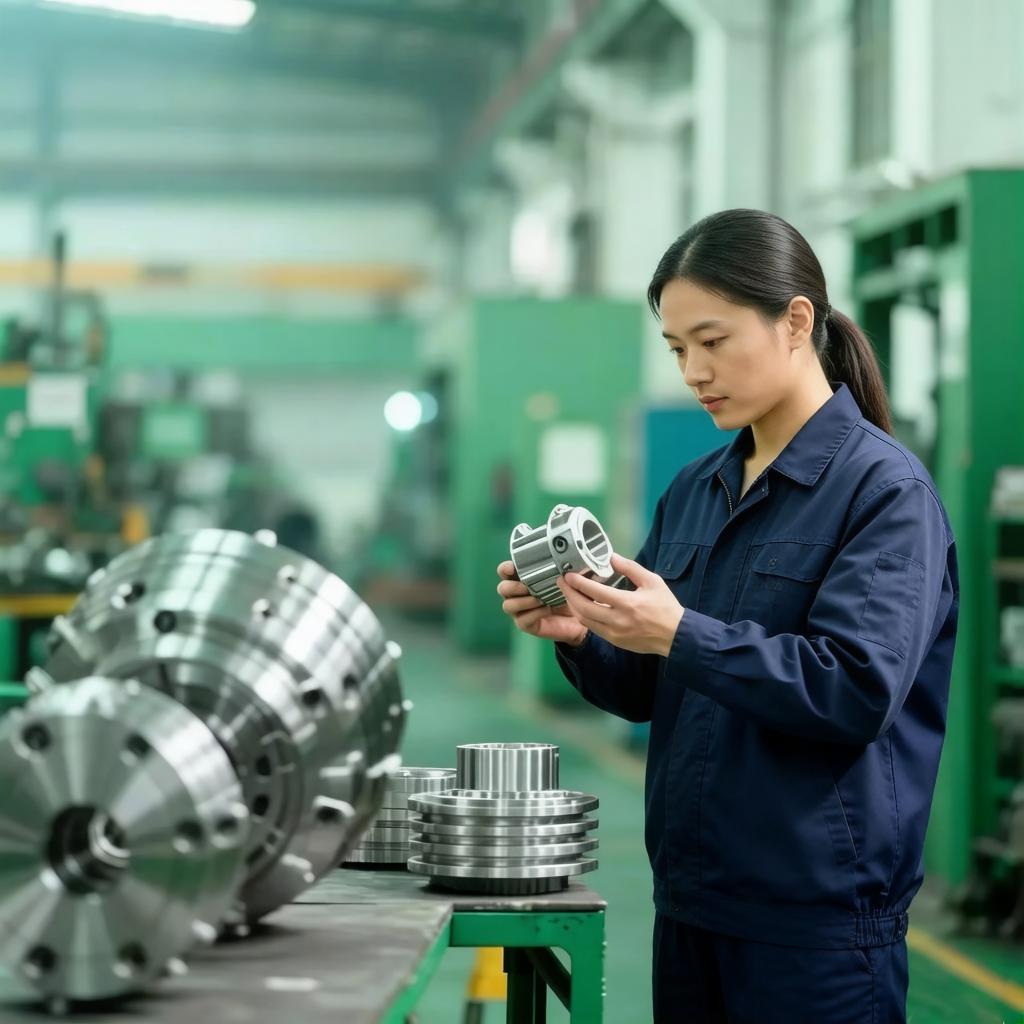
Applications include
high-precision small holes, high-precision micro parts,
complex internal cavities and deep cavity components, micro
gears, etc.
-

Mold Manufacturing -
Medical Devices and Biomanufacturing -

Aerospace -
Electronics and Semiconductor Manufacturing -

Other High-end Manufacturing Sectors -
Special Parts Manufacturing -

Automotive and New Energy Sectors -
Optics and Precision Instruments



Challenges and Limitations of EDM Machining
1.Low Processing Efficiency and Slow
Speed
Compared to traditional cutting
methods, EDM relies on the principle of electro-erosion,
which results in a lower material removal rate. Therefore,
its efficiency is lower in large-scale production. The
process takes longer, especially when machining complex
shapes and large workpieces.
2.High Processing Costs
Electrode
Wear and Replacement: Electrodes made of
materials such as copper and graphite continuously wear down
during EDM machining. The wear of the electrodes affects the
accuracy of the workpiece, requiring frequent calibration or
replacement, which increases processing costs and
maintenance work. Furthermore, complex parts may require
multiple sets of electrodes or frequent corrections, further
increasing consumable costs.
EDM Equipment and Maintenance Costs: CNC-EDM equipment is expensive and requires specialized EDM working fluids and cooling systems, contributing to high maintenance costs.
Waste Fluid Treatment Costs: After prolonged use, the working fluid accumulates metal debris and carbides, which must be professionally treated to meet environmental standards, thus increasing costs.
3.Material Adaptability
Limitations
Limited to Conductive Materials:
EDM can only process conductive materials, meaning
non-conductive materials, such as plastics, glass, and pure
ceramics, cannot be processed directly. They must undergo
additional treatments (e.g., coating) to become conductive
for EDM processing.
Low Efficiency with High Melting
Point Materials: For metals with extremely high melting
points, such as tungsten and molybdenum, the discharge
energy needs to be significantly increased, which leads to
greater electrode wear and further reduces processing
efficiency.
4.Surface Roughness
Although EDM can
provide a relatively smooth surface, the high temperatures
generated during discharge may cause micro-cracks or a
hardened layer on the workpiece surface, forming a
heat-affected zone. In high-precision fields such as
aerospace, post-processing heat treatment is required to
eliminate these effects.
5.Limitations on Processing Depth and Complex
Structure
Depth-to-Diameter Ratio
Limitation: When processing deep holes or narrow slots, the
electrode’s rigidity may not be sufficient, leading to
deflection, and chip removal can be difficult, which may
cause unstable discharges.
Risk of Thin-Walled Part
Deformation: Although EDM does not involve cutting forces,
the prolonged discharge heat effect may deform thin-walled
parts. Strict control of process parameters is required.
6.Need for Specialized Operational
Skills
EDM machining requires operators to
have high levels of skill and experience, especially in
selecting the appropriate electrodes, adjusting discharge
parameters, and dealing with electrode wear. Inexperienced
operators may not be able to fully utilize the potential of
EDM equipment.
7.High Environmental Requirements
EDM
requires a stable power supply, clean dielectric fluid, and
an appropriate temperature environment, or else machining
precision and surface quality may be affected. Additionally,
the process generates sparks and high temperatures,
necessitating good safety measures and a suitable working
environment.
Summary:
While EDM offers many
advantages, such as high precision and the ability to
process complex shapes and hard, brittle materials, it also
faces challenges such as slow processing speed, electrode
wear, and high costs. To maximize its benefits for specific
applications, selecting suitable materials, optimizing
process parameters, maintaining equipment, and improving
operational skills are key factors in overcoming these
limitations.
The process parameters of EDM machining.
The EDM (Electrical Discharge Machining) process parameters are key to controlling machining quality and efficiency. Correct setting of these parameters can optimize machining results. Below are some common EDM process parameters:
1.Pulse Duration
Unit: Microseconds
(μs)
Function: Pulse duration is the time for each
discharge, directly determining the discharge energy. A
larger pulse duration increases material removal rate, but
may lead to poor surface quality and higher electrode wear;
a smaller pulse duration helps improve precision and surface
quality but reduces efficiency.
2.Pulse Interval
Unit: Microseconds
(μs)
Function: Pulse interval is the time between two
discharge pulses. A smaller pulse interval results in a
higher discharge frequency, improving machining efficiency,
but causes poorer electrode heat dissipation and higher
wear; a larger pulse interval improves electrode heat
dissipation and reduces wear but decreases efficiency.
3.Peak Current
Unit: Amperes
(A)
Function: Peak current determines the energy of each
discharge. The higher the current, the higher the material
removal rate, but surface roughness increases, and electrode
wear rises; lower currents improve precision but reduce
efficiency.
4.Discharge Voltage
Unit: Volts
(V)
Function: Discharge voltage influences the discharge
gap between the electrode and the workpiece. Higher voltage
increases the discharge gap, which is suitable for rough
machining and better chip removal; lower voltage enhances
precision and surface quality but makes chip removal more
difficult, which is ideal for finishing operations.
5.Electrode Material and Wear
Material
Selection:
Copper: Suitable for precision machining, with
lower wear and high accuracy, ideal for medium and small
parts or finishing operations.
Graphite: Resistant to
high temperatures and low wear, suitable for high current
rough machining or large parts.
Electrode Wear Control:
Higher current and pulse duration lead to greater electrode
wear, so optimal parameter settings are necessary to extend
the life of electrodes.
6.Dielectric Fluid
Type: Specialized EDM
dielectric fluid
Function: Cooling, chip removal, and
insulation. If the fluid’s purity is insufficient or its
flow rate is too low, it can lead to poor chip removal,
short circuits, or degraded surface quality.
7.Feed Rate
Unit: Millimeters per minute
(mm/min)
Function: The feed rate of the electrode
determines the rate at which the gap between the electrode
and the workpiece changes. If the feed rate is too fast, it
may cause short circuits; if too slow, the efficiency
decreases.
8.Discharge Energy
Unit: Determined by
current and pulse duration
Function: Discharge energy is
the primary factor determining the energy of each discharge.
Higher discharge energy helps increase material removal rate
but may negatively affect surface quality. Lower discharge
energy improves surface quality but lowers removal rate.
9.Spark Gap
Unit: Millimeters
(mm)
Function: The spark gap between the electrode and
the workpiece determines the stability of the discharge and
the material removal efficiency. If the gap is too large,
the discharge may become unstable, affecting machining
precision; if too small, it may cause short circuits or
overheating of the electrode and workpiece.
Comparison Table of Characteristics Between Traditional Electrical Discharge Machining and Precision Electrical Discharge Machining
| Characteristics | Precision EDM | Traditional EDM |
| Machining Accuracy | High precision ±0.002 – 0.01mm, even up to ±0.001mm | Usually ±0.01 – ±0.05mm |
| Surface Roughness (Ra) | 0.1 – 0.8μm; mirror – finish machining can reach below 0.08渭m | 1.6 – 3.2μm |
| Electrode Wear Rate | Relatively low; intelligent pulse control reduces wear and prolongs electrode service life | Relatively high; electrodes need to be replaced frequently |
| Machining Efficiency | Relatively low efficiency; precise parameter control is required to ensure accuracy | High efficiency in rough machining, suitable for large – area material removal |
| Equipment Control System | High – precision CNC system with feedback control and intelligent adjustment | Simple control system; much manual adjustment needed, low automation level |
| Pulse Power Technology | Precisely controls pulse width, current, and pulse interval, suitable for high – precision machining | Relatively simple pulse control, suitable for rough machining |
| Working Fluid Treatment | Working fluid for EDM machines with a high – precision filtration system | Working fluid for EDM machines |
| Application Scenarios | Precision molds (e.g., semiconductor packaging molds, optical molds), precision parts for aerospace, medical devices, etc. | Rough machining of ordinary molds, blank forming of parts |
| Equipment Cost | Relatively high; imported equipment can cost several million yuan | Relatively low, suitable for rough machining and large – scale production |
FAQ
What is the machining precision of electrical
discharge machining (EDM)?
The precision of
electrical discharge machining (EDM) is typically at the
micrometer level, and it can generally be controlled within
±0.001mm to ±0.005mm.
For example, Mitsubishi’s precision EDM machine can achieve a machining accuracy of ±0.001mm. Sodick’s high-speed EDM machines have a spacing accuracy of ±0.002mm and a depth accuracy of ±0.001mm. On the other hand, some standard EDM machines may have slightly lower precision, with accuracy ranging from ±0.01mm to ±0.05mm.
How is the cost of EDM machining
calculated?
The simplified cost calculation
formula for EDM machining:
Total Cost ≈ (Equipment Energy
Cost + Consumables Cost + Labor Hourly Cost) × Machining
Time + Other Miscellaneous Costs
Can sample machining be provided?
Yes, we
can provide sample machining services. Customers can provide
the drawings along with their requirements, and we will
process them according to your needs, ensuring machining
accuracy and quality.
Try BOS Out Now In Just A Few Steps
Upload your 2D/3D files
Simply upload your project files—our engineering team will review them and deliver a customized solution promptly.
Your Order Get Started
As long as we receive your confirmation, we will start your project immediately.
Receive Your Order
Your custom machined parts will be delivered right to your doorstep.
Ready to place your order? Fill out the form below to get in touch with us!